
No. 117 — Software-Shaped Thinking ⫶ Claude Week ⫶ Seasonal Update
I shipped a tiny Hello Ruby feature and went looking for hidden knobs.

My name is Linda. I write a bi-weekly newsletter about computer science, childhood, and culture.
Hi, hi from the deep end of January. This year I’ve finally figured out what January is best for: head-down writing, drawing and researching new projects, without panicking too much about the lack of billable hours, meetings, and other visible signs of worklife. It feels good to have accepted this rhythm. Also, it’s been a big few weeks in the realm of coding/AI, and it’s nice to have had the time to, well, play.
1.
First:
“To make a lovable school, industrious, inventive, liveable, documentable and communicable, a place of research, learning, re-cognition and reflection, where children, teachers and families feel well - is our point of arrival” wrote Loris Malaguzzi, the founder of Reggio Emilia.
Now replace school with playground. Or website. Or app. Or (why not!) artificial intelligence. If the sentence breaks, that’s exactly where the work is.
2.
Last week I got asked the question that’s suddenly everywhere: is it still worth teaching programming?
I think programmers overlook one of the core cognitive skills they already have: software-shaped thinking. Most people don’t walk through life noticing the tiny levers, hidden knobs, and loose screws in our digital world. Places where adding a little computation can turn friction into lift.
The great thing is that large language models have lowered the cost of learning this way of seeing. They make it easier to try out self-expression and problem-solving with code. In the past week I built a system to track my reading list, fixed memory management on helloruby.com, organized my publishing contracts, and audited my website for broken links. And I had fun. Large language models change, once more, what a beginner means.
Yes - still worth teaching. Because learning to code was never really about producing programmers and memorizing syntax. It’s about giving more people access to that workshop of levers, knobs, and loose screws - so what we build next can be, in Malaguzzi’s sense, loveable, industrious, inventive, liveable, documentable and communicable.
3.
So, like much of the software-writing world, I spent last week with Claude Code. I loved how quickly a new feature was whipped together, and how patiently it helped me through local development and deployment issues. I understand the appeal of feeling productive all the time (that “it never gets tired of talking to me!” energy my three-year-old basks in). But I also felt the limits. I didn’t like the initial design choices it made (SO MUCH SHADOWS!!). And even with an agent in the machine, making something finished still took time to think, steer and revise.
Anyways, I shipped a new feature for Hello Ruby (hahah—first in 10+ years): you can now finally sort the different activities at helloruby.com/play according to difficulty, duration and category. Go give it a spin!
4.
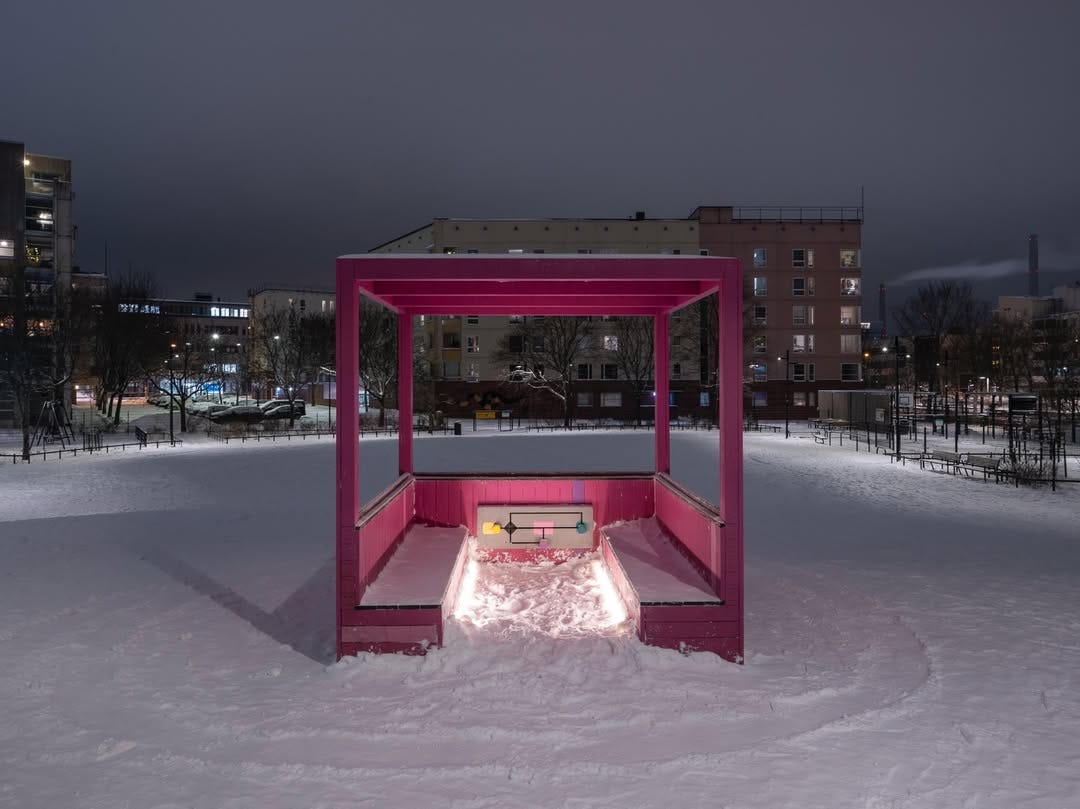
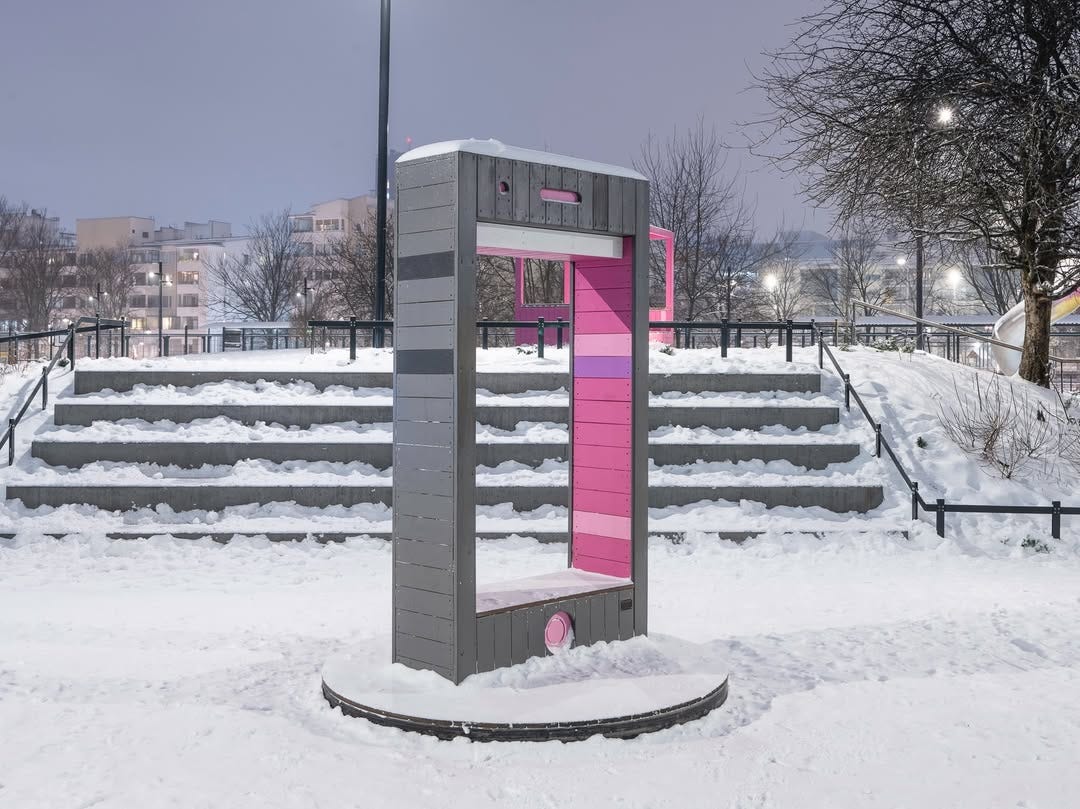
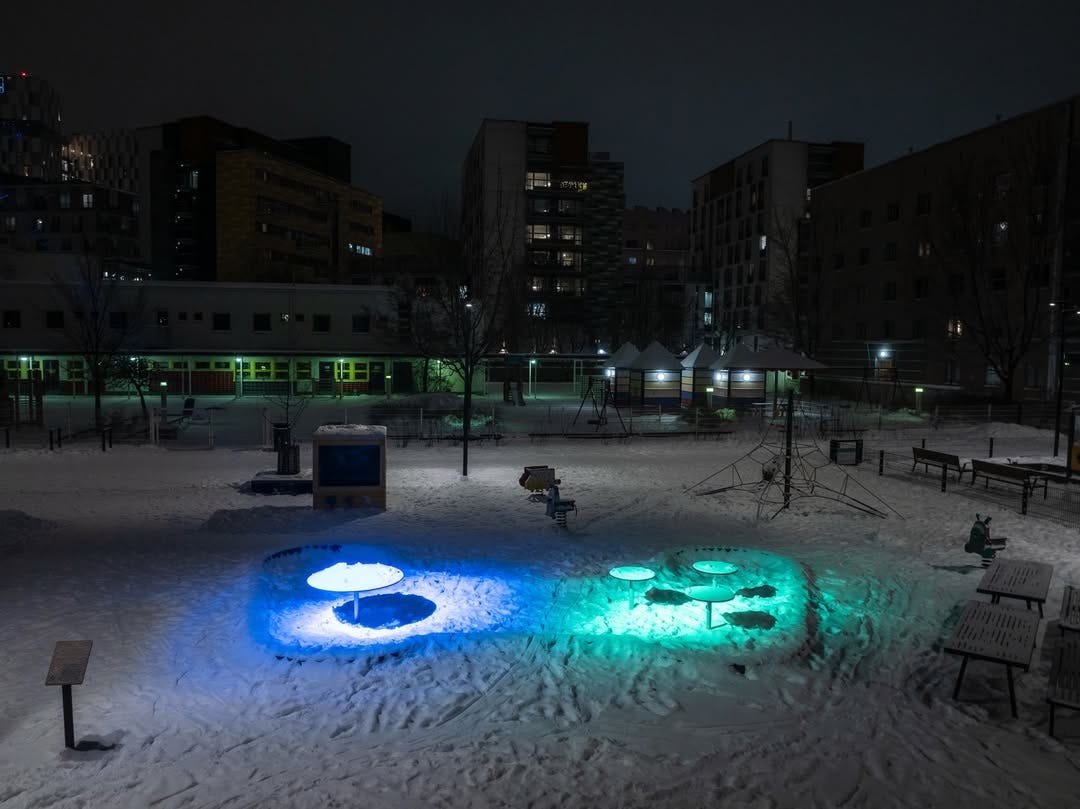
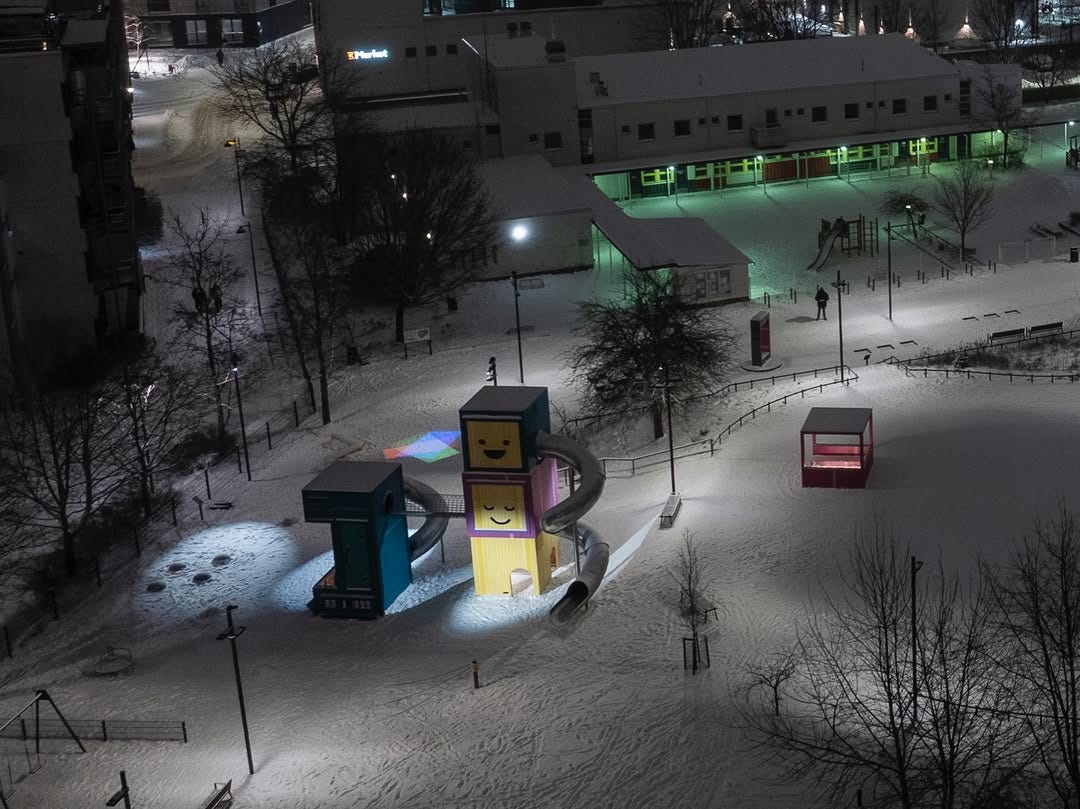
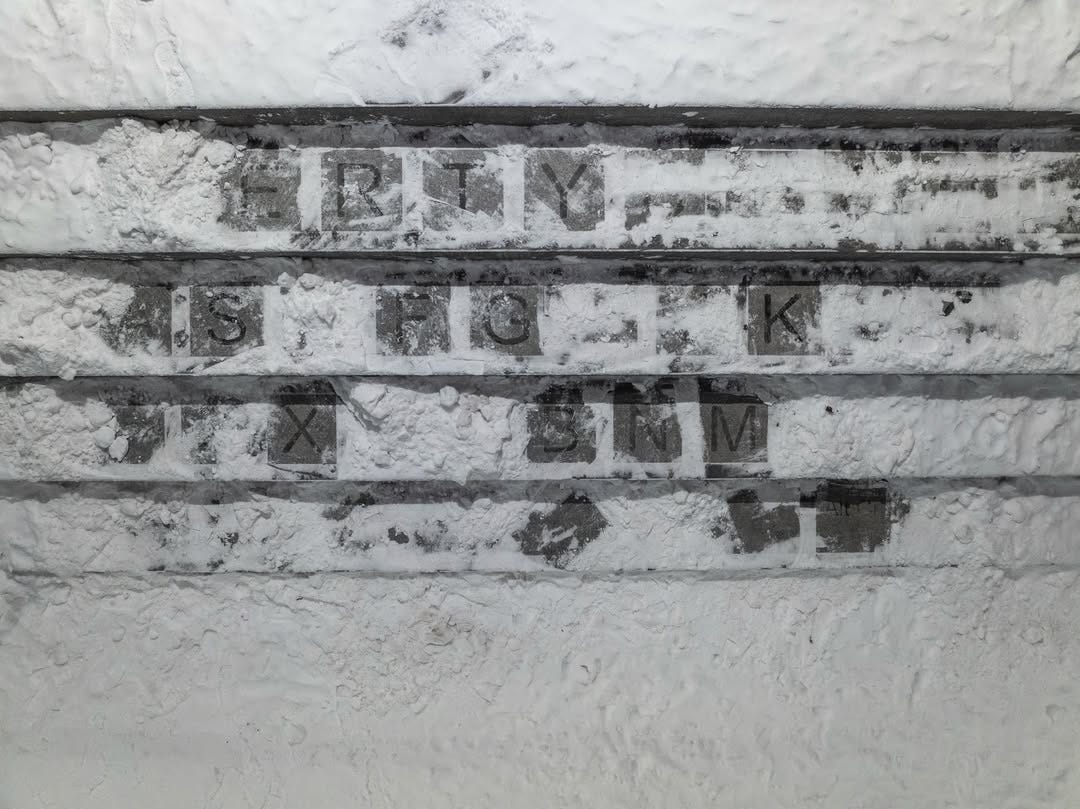
Mid-January isn’t the most inspiring season to be a playground designer (or a parent). And then photos from Sakari Röyskö of the Leikkipuisto Ruoholahti under snow arrived. It’s like a new Fortnite island dropped overnight. (Fresh friction! Surprising glide paths! Mysterious lights!)
I showed the photos to a French friend. In Paris, playgrounds close when it gets dark, and often when it snows too. Helsinki, on the other hand, is a city that doesn’t pause play. It just ships a seasonal update, and everyone keeps going.
5.
Marcin Wichary lists his favourite technology museums. Talk about a to-do list!
6.
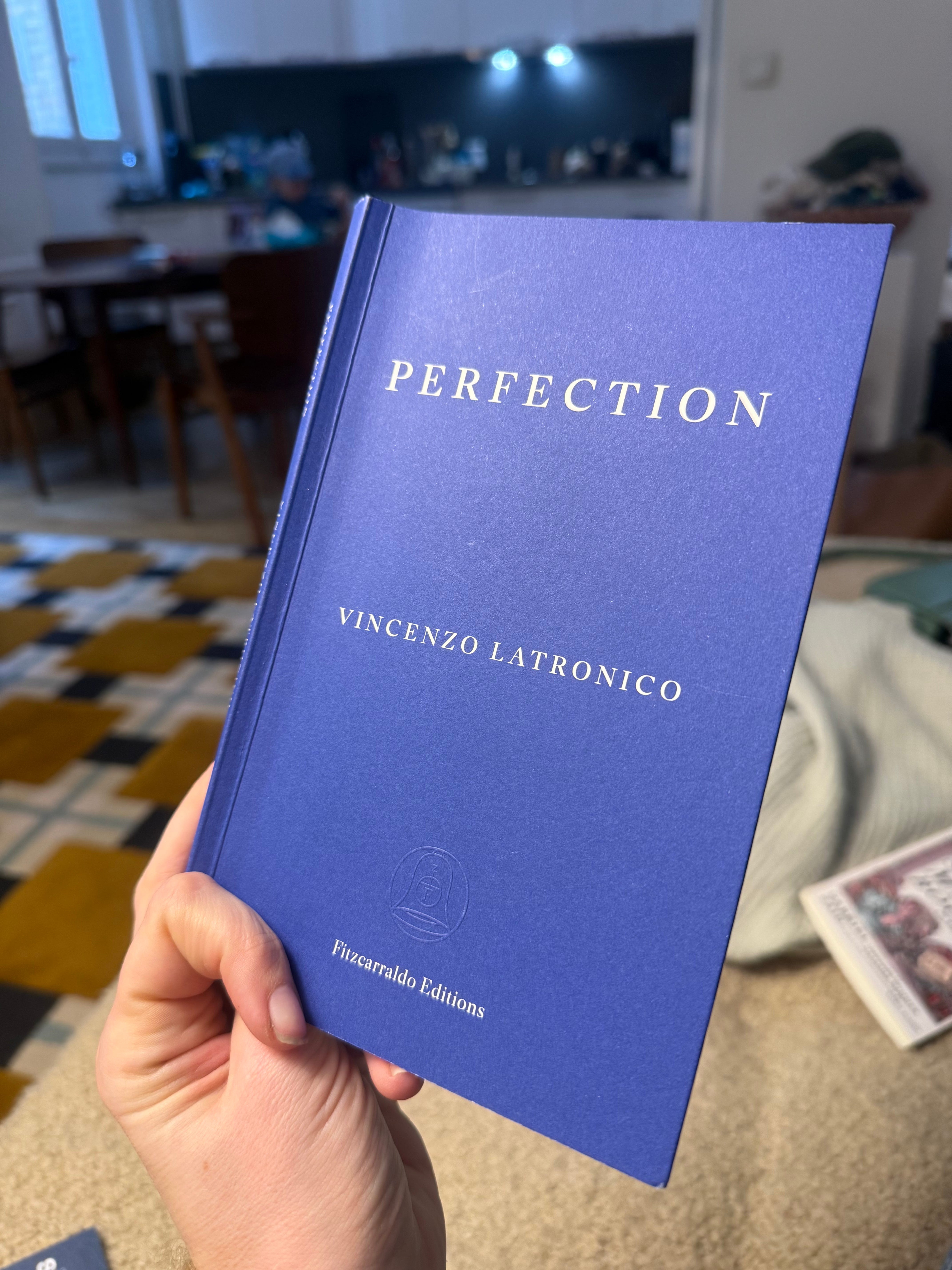
I finished Vincenzo Latronico’s Perfection. For someone who spent time in the 2010s Berlin, it landed with the specific discomfort of recognizing yourself. (The book also landed on my desk just as 2016 started trending in my feeds, and suddenly it felt like accidental time travel.)
Latronico’s expat world of all-English headlines and minimalist apartments also made me notice something about my own. Either I’m getting older, or the times have changed, or both. Because it suddenly feels energetically important to belong to the place I’m in. To really be part of the local surroundings, not just a visitor with good taste and a good Wi-Fi connection. In my twenties I actively avoided that kind of old-fashioned rootedness. I used to joke that I knew Silicon Valley gossip better than my local municipal news. Now it feels like the whole point. (Hello, mayoral elections 2026 in Paris!)
7.
Some of you remember my pandemic obsession with that lo-fi hip hop channel. Now there is something even better: lo-fi microbes to relax/study to.
I loved Malaguzzi’s quote and the way the other six points in this newsletter echo it... 💙